

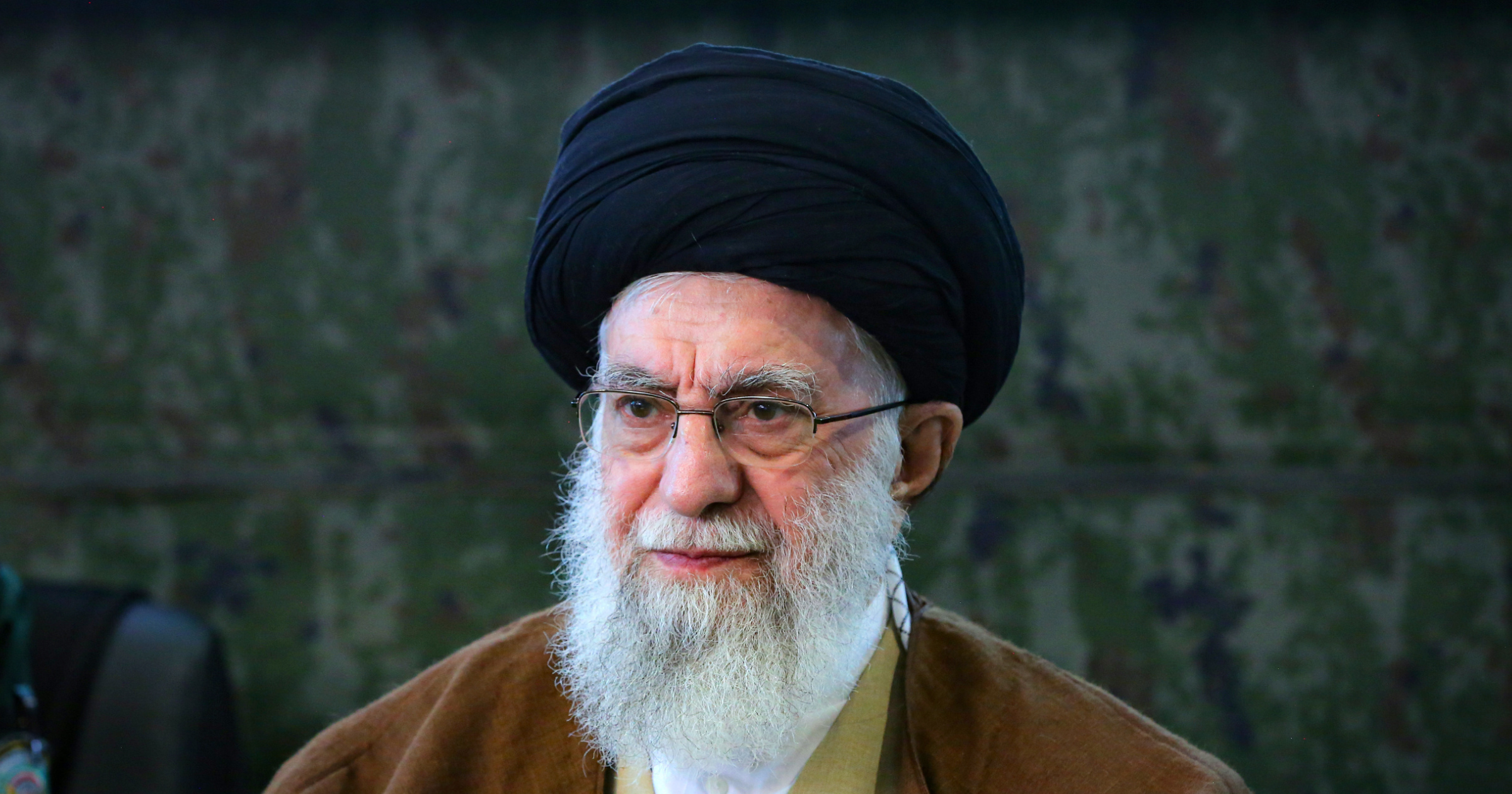
“Ali Khamenei – Seyyed Ali Hosseini Khamenei – 2023-11-19 – (4)” by khamenei.ir is licensed under CC BY 4.0 
 .
.



A new video message from Ayatollah Khamenei, released early Wednesday, was accompanied by a flurry of English-language posts declaring Iran’s victory over both Israel and the United States. The coordinated rollout included sweeping claims, direct threats, and a pointed reference to U.S. military installations in the region. “I offer my congratulations on the victory over the fallacious Zionist regime,” one post read. Another added: “The Zionist regime was practically knocked out and crushed under the blows of the Islamic Republic.”
I offer my congratulations on the victory over the fallacious Zionist regime.
— Khamenei.ir (@khamenei_ir) June 26, 2025
With all that commotion and all those claims, the Zionist regime was practically knocked out and crushed under the blows of the Islamic Republic.
— Khamenei.ir (@khamenei_ir) June 26, 2025
Khamenei then turned his attention to Washington. “The US regime entered the war directly because it felt that if it didn’t, the Zionist regime would be completely destroyed,” he wrote. “It entered the war in an effort to save that regime but achieved nothing.” He claimed Iran had inflicted damage on Al-Udeid Air Base in Qatar, calling it “a heavy slap to the US’s face.” That base is one of America’s largest in the Middle East and a central hub for regional operations.
My congratulations on our dear Iran’s victory over the US regime. The US regime entered the war directly because it felt that if it didn’t, the Zionist regime would be completely destroyed. It entered the war in an effort to save that regime but achieved nothing.
— Khamenei.ir (@khamenei_ir) June 26, 2025
The Islamic Republic delivered a heavy slap to the US’s face. It attacked and inflicted damage on the Al-Udeid Air Base, which is one of the key US bases in the region.
— Khamenei.ir (@khamenei_ir) June 26, 2025
No images or independent verification of the alleged strike were provided. The posts also did not mention Iranian losses, civilian impacts, or responses from the U.S. or Israel. With over 400,000 views on some posts within hours, the campaign appears aimed as much at the digital battlefield as the physical one.
The final post served as a warning. “The Islamic Republic has access to key US centers in the region and can take action whenever it deems necessary… Such an action can be repeated… The enemy will definitely pay a heavy price.” While ceasefire reports continue to circulate, Iran’s leadership is making clear that, in their view, the war may be paused, but the message isn’t.
The fact that the Islamic Republic has access to key US centers in the region and can take action whenever it deems necessary is a significant matter. Such an action can be repeated in the future too. Should any aggression occur, the enemy will definitely pay a heavy price.
— Khamenei.ir (@khamenei_ir) June 26, 2025
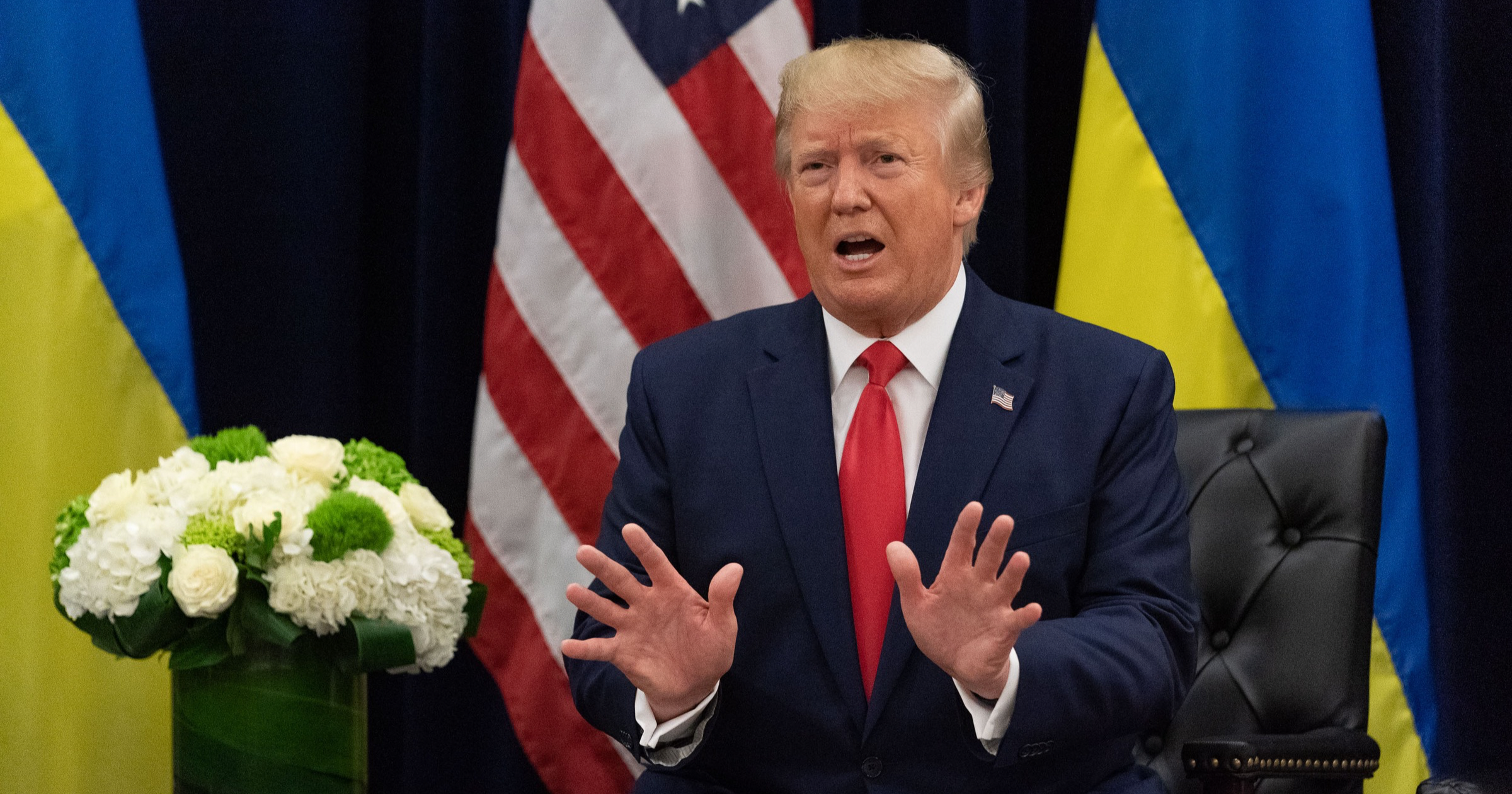
In a press room full of foreign correspondents and defense analysts, the most human moment of the NATO summit came from a woman in a white shirt, asking a question not just as a journalist, but as a wife.
She identified herself as a reporter from Ukraine. Her husband, she said, was still there. Russia was pounding their cities. Her question was simple and direct: would the United States provide more Patriot missile systems to protect Ukrainian skies?
Trump paused. “Wow. That’s rough stuff,” he said, later adding softly, “Say hello to your husband, okay?” It was one of the few unscripted emotional responses in a press conference packed with posturing and statistics.
But what followed was less personal and more political. Trump acknowledged that Ukraine wants the missile systems, calling them “100% effective,” but offered no commitment. “We’re going to see if we can make some available,” he said. “They’re very hard to get. We need them too.”
President Trump had just spent nearly half an hour detailing the precision strikes, bunker-busting bombs, and full-spectrum U.S. military backing delivered to Israel in its conflict with Iran. He spoke of submarines firing from 400 miles out, of 30 missiles landing within nine inches of target, of pilots flying 36-hour missions to “obliterate” nuclear sites. There was no hesitation, no ambiguity, just action.
By contrast, when a Ukrainian reported asked if the U.S. would sell Patriot missile systems to Ukraine, the answer came wrapped in sympathy but stalled in caution. “They want the Patriots,” Trump said. “We’re going to see if we can make some available.” President Trump made his priorities known. Israel gets U.S. weapons without delay. Ukraine gets told to wait in line.
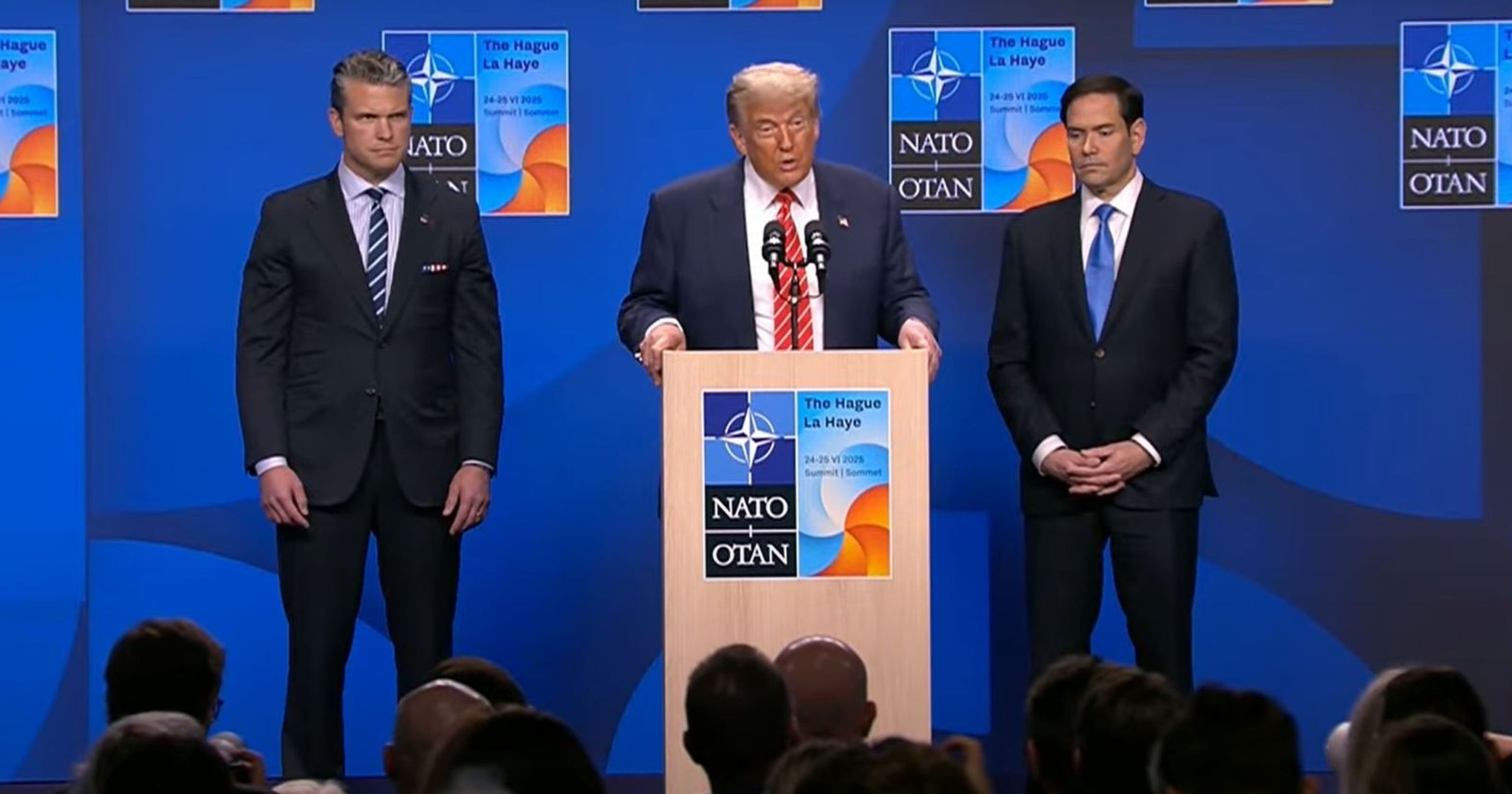
At this year’s NATO summit, President Trump delivered more than just criticism. He delivered an ultimatum. Targeting Spain by name, he accused the country of being the lone NATO holdout refusing to meet the alliance’s new 5% defense spending target. “They’re the only country that won’t pay the full level,” Trump said. “We’re going to make them pay twice as much. And I’m actually serious about that.”
Unlike previous U.S. presidents who used diplomacy or internal NATO pressure to encourage greater contributions, Trump made clear he’s ready to enforce alliance expectations using America’s economic muscle. That means tariffs. Spain doesn’t negotiate its own trade deals, it is bound by the European Union’s collective trade policy. But Trump doesn’t need a new agreement to impose costs. The U.S. can, and has, unilaterally imposed tariffs on specific countries, even EU members, through mechanisms like Section 232. Trump appears prepared to repeat that approach here.
In this case, Spain controls its own defense budget. Unlike trade policy, defense spending is entirely up to national governments. That’s what makes the threat so targeted. Trump is linking two unrelated policy domains, security and trade, and using one to force movement on the other. Spain, in other words, is being told: raise your military budget, or your exports will suffer.
The economic stakes are real. Last year, Spain exported €18.1 billion (approximately $19 billion) in goods to the United States, including petrochemicals and food products such as olive oil, wine, and oranges. During the same period, Spain imported €28.1 billion worth of goods from the U.S., according to official data. American firms operating in Spain have already warned against retaliatory tariffs, fearing disruption in key sectors like steel and tech. But Trump has never been shy about unilateral pressure.
Trump’s direct language—“I’m going to negotiate directly with Spain. I’m gonna do it myself.”—clashes with how Europe works. Spain cannot legally strike its own trade deal with the U.S., nor can it promise tariff relief. But it can raise defense spending. And that’s the point. The U.S. isn’t offering negotiation, it is offering consequence.
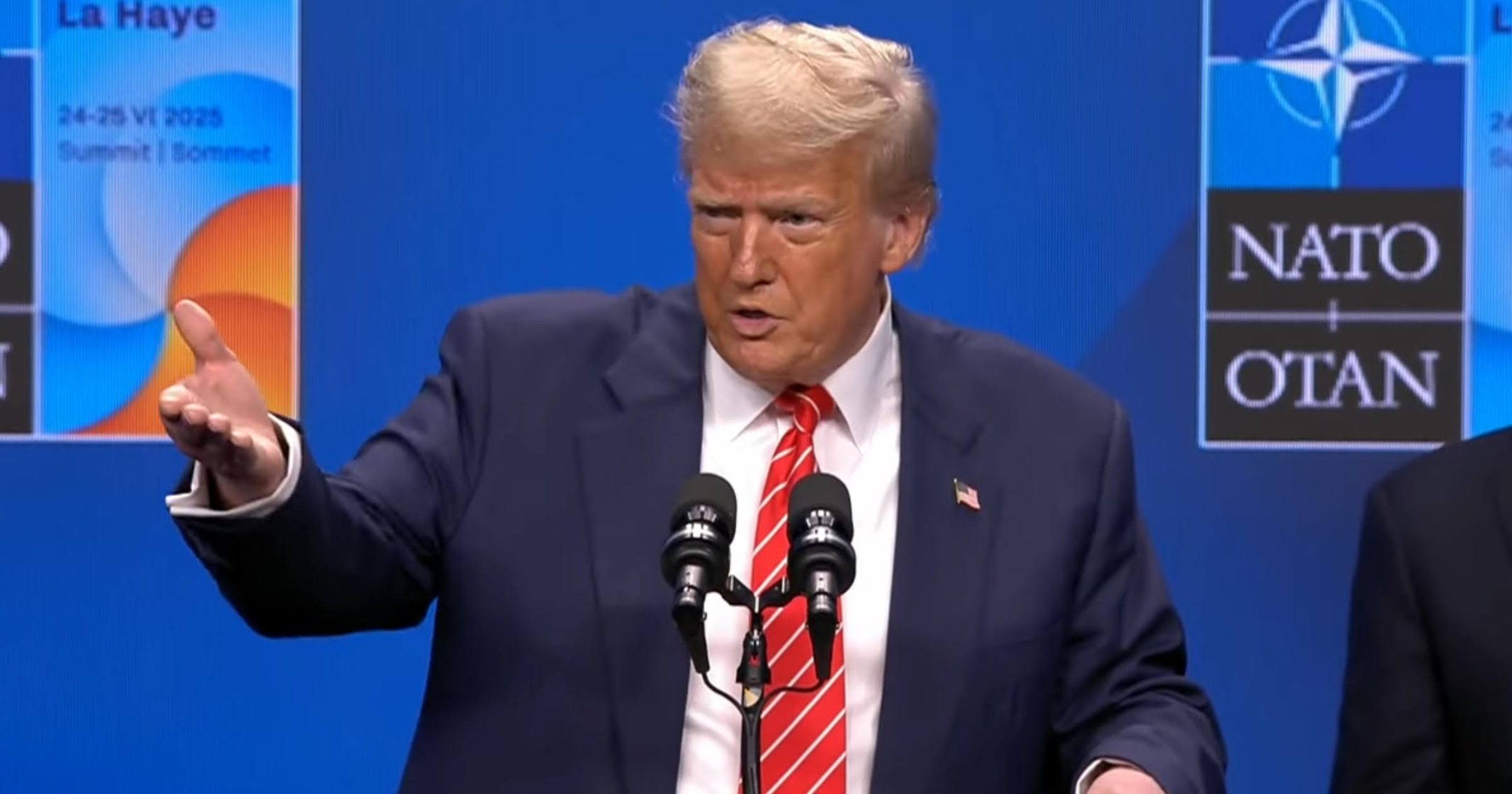
At the 2025 NATO summit, President Trump revealed he’s in direct talks to acquire multiple Finnish icebreakers, vessels critical to asserting presence in the Arctic. One ship, he said, is already available and in use. He joked that he hadn’t gone through Congress for the deal, quipping, “They’ll probably try to impeach me for that.” But behind the theatrics lies a strategic push that’s been unfolding for years: reestablishing U.S. dominance in a part of the world that’s quickly becoming a geopolitical fault line.
Trump’s interest in the Arctic dates back to his first term, when he publicly floated the idea of buying Greenland. At the time, the proposal was met with ridicule. In 2025, it loudly resurfaced. The White House is now studying acquisition costs, and lawmakers on Capitol Hill, particularly Republicans, have held hearings and proposed legislation exploring U.S. territorial or strategic access to Greenland’s resources and position. The island’s location at the top of the world makes it valuable not just for its rare earth minerals, but for its military utility, overseeing Arctic shipping lanes, early warning systems, and access to the GIUK gap.
This renewed focus comes at a time when U.S. capabilities in the region are limited. Russia maintains the world’s largest fleet of icebreakers, more than 40, including several nuclear-powered models. China, too, has increased its polar operations and declared itself a “near-Arctic state.” The United States, by comparison, has just two active polar-class icebreakers, with a third out of commission and new vessels years away from deployment. Trump’s comments about the Finnish deal suggest impatience with that timeline, and a preference for quick, transactional solutions.
Beyond the icebreaker negotiations, Trump has called for expanding the U.S. fleet to as many as 40 ships and hinted at broader cooperation with Canada and Finland, sometimes referred to in press coverage as the “ICE Pact.” He has also framed the Arctic buildout as an opportunity for domestic industry, insisting new hardware be manufactured or upgraded in the U.S. These moves reflect a broader pattern in Trump-era foreign policy: favoring bilateral deals, industrial leverage, and unconventional pathways to achieve strategic goals.
The idea of acquiring Greenland still draws strong opposition from Denmark and most Greenlanders. European leaders have been clear that the island is not for sale. Yet hearings in Washington continue, and Trump’s administration appears committed to keeping the option on the table, either through direct acquisition, increased military basing, or resource access agreements.
Whether these moves represent a coherent long-term Arctic strategy or a series of ad hoc initiatives remains an open question. What’s clear is that the Arctic is no longer considered a remote frontier. Melting ice has opened new maritime routes and resource zones, and global powers are scrambling to secure influence. The U.S. is now racing to catch up, and Trump’s approach is pushing that race forward in unconventional ways.
Iranian Foreign Minister Seyed Abbas Araghchi publicly denied the existence of any formal ceasefire agreement with Israel, saying military operations would only stop if Israel ceased its aggression by 4 a.m. Tehran time. He emphasized that Iran acted in response to Israeli attacks and made clear the decision to stop was conditional, not part of a mutual deal.
As Iran has repeatedly made clear: Israel launched war on Iran, not the other way around.
As of now, there is NO "agreement" on any ceasefire or cessation of military operations. However, provided that the Israeli regime stops its illegal aggression against the Iranian people no…
— Seyed Abbas Araghchi (@araghchi) June 24, 2025
In a follow-up post 16 minutes later, Araghchi confirmed that Iranian strikes continued until the final moment of the 4 a.m. deadline. He praised Iran’s armed forces for their response and declared them ready to defend the country “until their last drop of blood.” While the rhetoric was resolute, the message was clear: Iran has now halted its operations.
The military operations of our powerful Armed Forces to punish Israel for its aggression continued until the very last minute, at 4am.
Together with all Iranians, I thank our brave Armed Forces who remain ready to defend our dear country until their last drop of blood, and who…
— Seyed Abbas Araghchi (@araghchi) June 24, 2025
This comes just hours after President Trump announced what he described as a jointly agreed ceasefire. Iran’s statement tells a different story, one of unilateral action, not coordination. The future remains uncertain, with Iran reserving the right to respond again if provoked.
President Trump has announced that Israel and Iran have agreed to a complete and total ceasefire, bringing an official end to what he called “The 12 Day War.” The ceasefire is set to begin approximately six hours after his post, once both countries complete final military operations. Iran will begin the first 12-hour ceasefire period, followed by Israel. If both sides comply, the war will be officially declared over after 24 hours.
In his statement, Trump praised the “stamina, courage, and intelligence” of both nations for agreeing to peace and preventing a broader regional conflict. He claimed the war could have lasted for years and destroyed the Middle East, but insisted it “didn’t, and never will.” No details were provided about how the ceasefire was brokered, whether it was mediated by the United States or another party, or how it will be enforced or monitored.
The post closes with a series of blessings for Israel, Iran, the Middle East, and the United States, declaring, “God bless the world.” This is the first formal acknowledgment of a negotiated pause in fighting between the two countries since the conflict began. Independent verification of the ceasefire or its terms has not yet been released.
![[ALT TEXT]](https://metmiddleson.com/wp-content/uploads/2025/06/IMG_7493.jpeg)
In a pair of back-to-back statements, President Trump characterized Iran’s retaliatory missile strikes as “a very weak response” to what he called the “obliteration” of Iran’s nuclear facilities. He claimed that 14 missiles were fired, 13 were intercepted, and one was allowed to pass because it posed no threat. Emphasizing that “NO Americans were harmed,” Trump suggested the attacks may have been more symbolic than strategic, stating that Iran had “gotten it all out of their system.”
In a notably different tone from earlier confrontational language, Trump went on to thank Iran for providing early notice of the strike, saying it helped avoid loss of life. He even expressed hope that the country could now move toward “Peace and Harmony in the Region.” This pivot toward de-escalation came with a direct endorsement of Israeli restraint, encouraging their government to take a similar stance moving forward.
![[ALT TEXT]](https://metmiddleson.com/wp-content/uploads/2025/06/IMG_7488.jpeg)
Trump followed up with a separate statement praising the Emir of Qatar for promoting regional peace. He confirmed that the attack on the U.S. base in Qatar resulted in no casualties, neither American nor Qatari. With tensions high and international attention focused on potential escalation, the president’s public gratitude toward both Iran and Qatar signals a strategic effort to present the situation as contained, at least for now.
![[ALT TEXT]](https://metmiddleson.com/wp-content/uploads/2025/06/IMG_7489.jpeg)
As reports of Iran’s retaliatory missile launches circulate, President Trump is taking aim not at Tehran, but at the American press. In a post just minutes ago, he accused “Fake News” outlets of minimizing the damage caused by U.S. strikes on Iranian nuclear facilities. Trump insisted the sites were “totally destroyed” and lashed out at anchors by name, ridiculing them with altered nicknames.
Among those singled out: “Allison Cooper of Fake News CNN,” “Dumb Brian L. Roberts, Chairman of ‘Con’cast,” and “Jonny Karl of ABC Fake News.” Trump also referred to “the Losers of, again, Concast’s NBC Fake News,” accusing the networks of working “especially hard on this falsehood.” While offering no new evidence, the president claimed that even these outlets admitted the sites were “pretty well destroyed.”
![[ALT TEXT]](https://metmiddleson.com/wp-content/uploads/2025/06/trump-focuses-on-attacking-media-after-iran-missile-response-truth-post.jpeg)
Trump’s post did not address the missile response from Iran directly, which U.S. officials continue to monitor closely. No American casualties have been reported, but the situation remains tense, with additional military movements and potential countermeasures under consideration.
Iran has launched multiple missiles at U.S. forces stationed at Al-Udeid Air Base in Qatar, confirming the start of “Operation Glad Tidings of Victory.” The strikes follow President Trump’s celebration of what he called a “bullseye” on Iranian nuclear infrastructure. Explosions were reported over Doha just before the Iranian announcement, and officials now confirm at least 10 missiles were fired. The situation continues to unfold.
![[ALT TEXT]](https://metmiddleson.com/wp-content/uploads/2025/06/trump-bullseye-iran-strike-truth-post.jpg)
In a statement from Iran’s Mission to the United Nations, Tehran blamed Israeli Prime Minister Benjamin Netanyahu for “hijacking U.S. foreign policy” and accused Washington of dragging itself into war “merely to safeguard Netanyahu.” The statement went further, saying the U.S., Israel, and European allies “will bear full responsibility” for any civilian casualties and destruction in Iran. Diplomacy, Iran’s UN mission claimed, was never a real offer, just “a deceitful ploy.”
Netanyahu, an internationally wanted war criminal, has hijacked U.S. foreign policy, dragging the United States into yet another costly war. America has, once more, recklessly chosen to sacrifice its own security merely to safeguard Netanyahu.
The Israeli regime and the United…
— I.R.IRAN Mission to UN, NY (@Iran_UN) June 23, 2025
The U.S. Embassy in Qatar had issued a shelter-in-place advisory for American citizens hours before the missile strike aimed at Al‑Udeid Air Base. The White House and Pentagon have stated they are monitoring the situation closely. U.S. bases across the Middle East, especially Al‑Udeid, have been identified by Iran as potential targets following its threat to retaliate for strikes on its nuclear facilities . As of now, there have been no reports of U.S. casualties.
Ayatollah Khamenei’s official channel issued one of its most direct threats yet: “The Zionist enemy has made a big mistake, committed a great crime; it must be punished and it is being punished! It is being punished right now.” The post was paired with an image of missiles striking a skull marked with a Star of David, a clear symbol of ongoing retaliation. Notably, the statement made no mention of the United States. The focus, at least for now, is squarely on Israel.
#همین_حالا
مجازات ادامه دارددشمن صهیونی یک اشتباه بزرگی کرده، یک جنایت بزرگی را مرتکب شده؛ باید مجازات بشود و دارد مجازات میشود؛ همین حالا دارد مجازات میشود.#الله_اکبر pic.twitter.com/wH6Wk9nNhJ
— KHAMENEI.IR | فارسی 🇮🇷 (@Khamenei_fa) June 23, 2025
The timing adds another layer. Just hours earlier, President Trump posted on Truth Social: “If the current Iranian Regime is unable to MAKE IRAN GREAT AGAIN, why wouldn’t there be a Regime change???” He ended the message with “MIGA!!!”, a rebranding of his campaign slogan aimed squarely at Iran’s government. While past administrations have avoided that language, Trump is now putting it on the table.
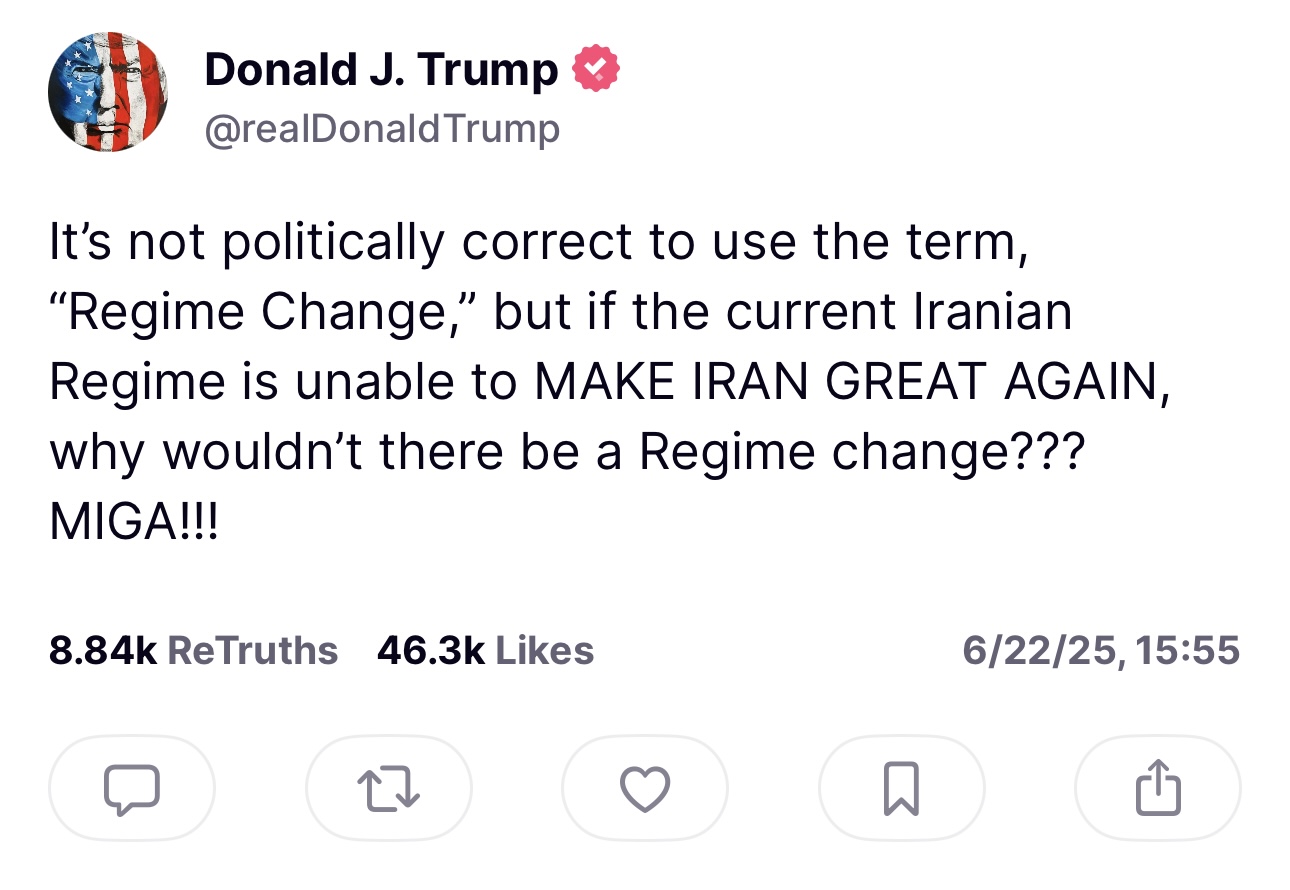
The two statements don’t reference each other, but the timing is hard to ignore. Khamenei had reaffirmed Iran’s posture toward Israel without any mention of the biggest news in the world today. Trump, in contrast, escalated his position by openly calling for regime change in Iran. One message repeats a threat. The other introduces a new one.